Moxibustion
Moxibustion is a warming therapy that applies gentle heat over specific points using mugwort. It is used as a complementary approach, often alongside acupuncture — results vary, and it is not a cure.
What it is
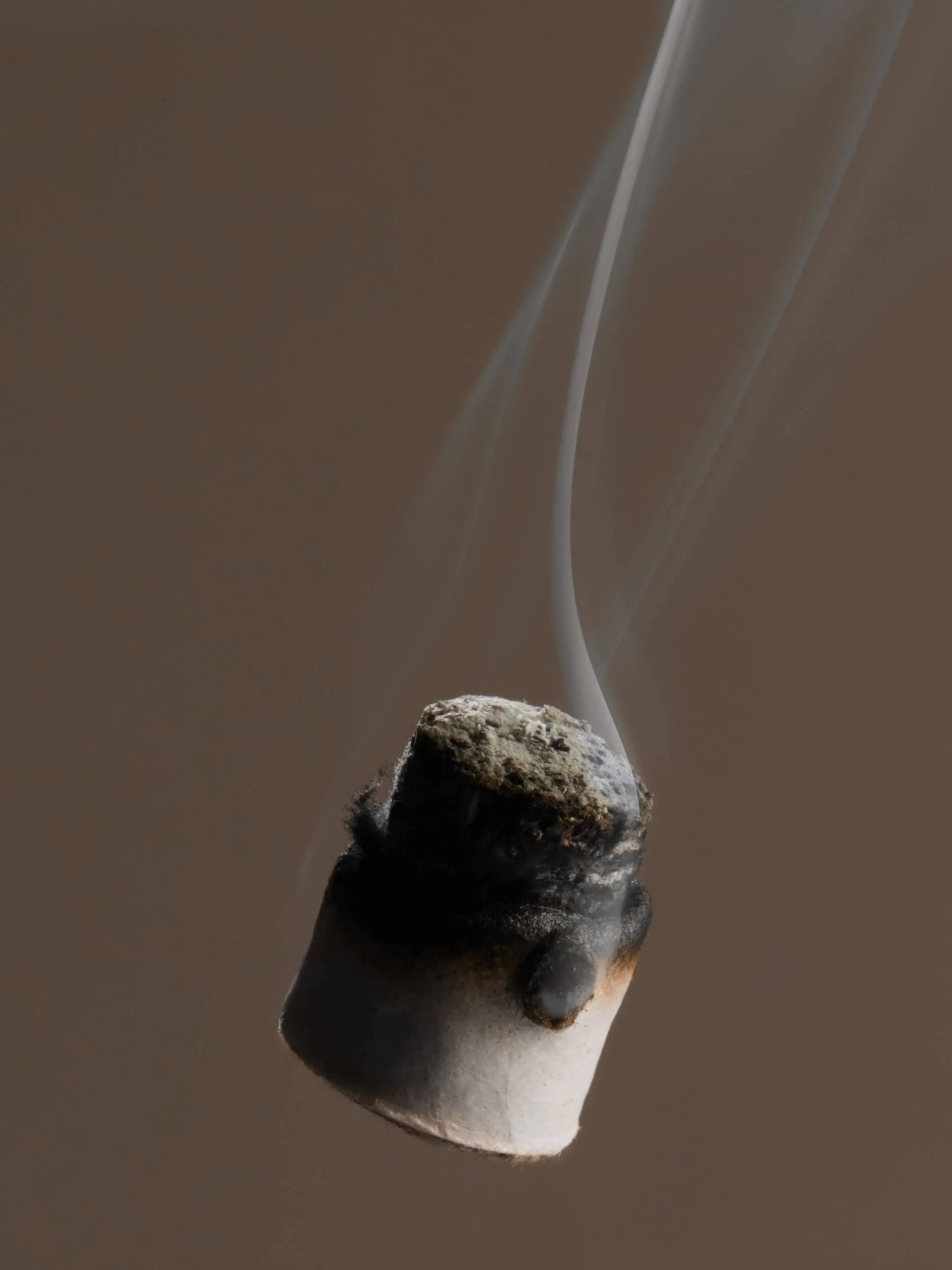
Moxibustion uses dried, compressed mugwort (moxa) that is warmed over or near acupuncture points so the heat penetrates the tissue. It can be applied with a moxa stick held above the skin, or placed on top of an acupuncture needle.
It is usually combined with acupuncture rather than used alone, and is applied as a complement to — not a replacement for — the medical care you need. The heat should feel pleasantly warm, never hot enough to burn.
What to expect in a session
The practitioner holds or positions warming moxa over selected points until the area feels comfortably warm, moving on before it becomes too hot. You should feel a soothing warmth rather than any burning.
Burning mugwort has a distinctive herbal smell, and the room is ventilated; smoke-free moxa can be used if you prefer. The treatment is usually painless and many people find it relaxing.
What it is typically used for
Moxibustion is traditionally used for complaints associated with feeling cold or run-down, and is often applied as supportive care around fertility, cycle-related symptoms and digestive complaints. One of its better-known uses is helping turn a breech baby late in pregnancy, which should only be done under qualified guidance.
What the evidence says
The evidence is limited and mixed. The most-studied use — moxibustion for breech presentation — has some supportive but inconclusive trials and should only be done with professional supervision. For most other uses the research is weak. We present it as a gentle, low-risk complement, not a proven treatment.
We base this on general clinical guidelines and systematic reviews (e.g. Cochrane, PubMed-indexed research). The honest summary: studies vary in quality and findings, and individual results differ. We use Moxibustion as a complement, not a substitute for medical assessment.
Conditions it commonly supports
People often try Moxibustion as part of a wider approach for:
FAQ
Does moxibustion burn the skin?
It should not. The heat is applied carefully and the point is changed as soon as it feels too warm, so you feel a comfortable warmth rather than burning. With correct technique, skin burns do not occur. Tell your practitioner immediately if any spot feels too hot.
What is the smell during treatment?
Burning mugwort has a strong, herbal, slightly smoky smell that can linger briefly in clothing. We ventilate the room well and can use smoke-free moxa if you are sensitive to it or prefer to avoid the smell.
Is moxibustion safe in pregnancy?
Moxa over a specific point is sometimes used from around week 32 to encourage a breech baby to turn, and this use is reasonably studied. Other uses in pregnancy should only be done by an experienced TCM practitioner, never self-applied. Always tell us if you are pregnant.
Is this covered by my insurance?
Treatment by our EMR-/ASCA-recognised practitioners is typically reimbursed through Swiss supplementary insurance for complementary medicine, not basic insurance. How much you get back depends on your individual policy. Our insurance guide explains the basic-versus-supplementary split in plain English.
This page is general information, not medical advice, and does not promise any cure or specific outcome. If symptoms are severe, sudden or worsening, see a doctor.
Related therapies
Acupuncture
The best-known TCM treatment — fine needles at specific points, used as a complementary approach.
Chinese Herbal Medicine
Individually prescribed herbal formulas, used as a complement for longer-term complaints.
Tuina Massage
A firm, medical-style Chinese massage for muscular tension and stiffness.