Physiotherapy
Physiotherapy is movement-based, evidence-led treatment for pain, injury and recovery. We offer it as part of an integrated approach, and it pairs well with acupuncture and manual therapy.
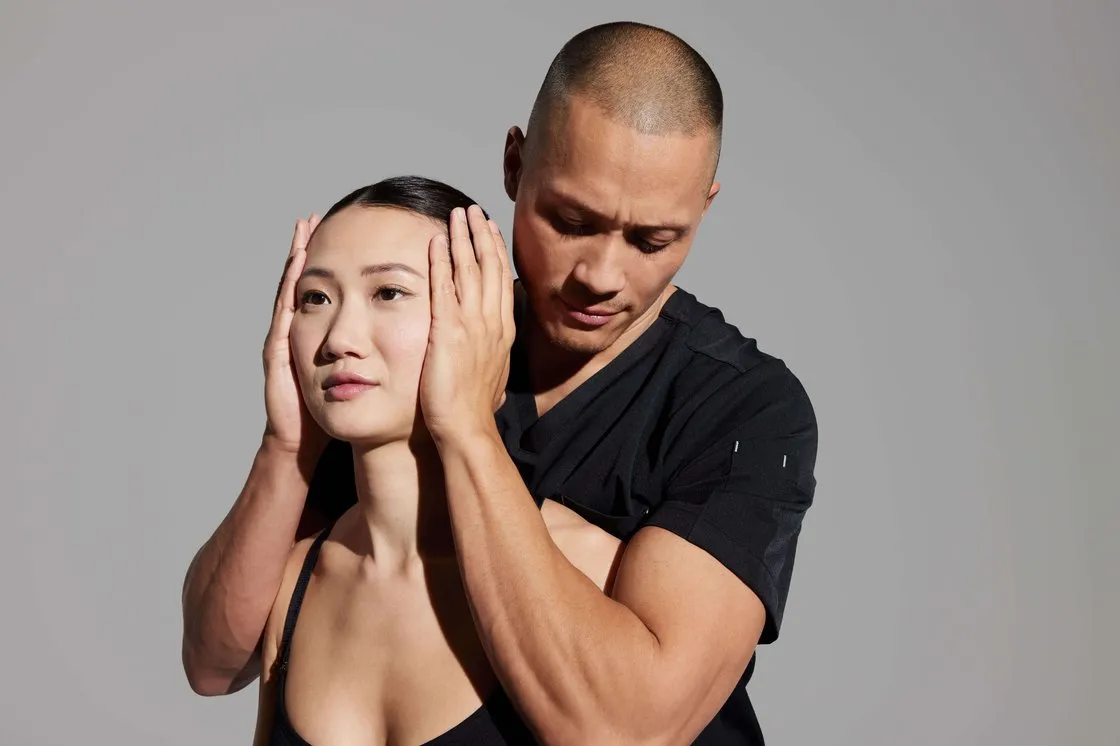
What it is
Physiotherapy assesses how you move and uses exercise, manual techniques and education to help you recover from pain or injury and regain function. Unlike most of our other treatments, it is a mainstream, well-evidenced part of conventional healthcare.
At our clinics it sits naturally alongside acupuncture and manual therapy, so a course can combine hands-on relief with the active rehab that drives longer-term recovery. It complements, and does not replace, your medical care.
What to expect in a session
Your first appointment is an assessment: what the problem stops you doing, how you move, and where the limitations are. From there you get a treatment and exercise plan tailored to your goals.
Sessions typically combine hands-on work with exercises you practise between visits — and the home exercises matter, since active rehab is usually what drives recovery rather than passive treatment alone.
What it is typically used for
Physiotherapy is used for musculoskeletal pain and injury — back and neck pain, joint and sports injuries, post-operative recovery and rehabilitation. It is the active, movement-based counterpart to the hands-on relief that acupuncture and massage can provide.
What the evidence says
Physiotherapy is a core, evidence-based part of conventional care, with good support for exercise-based rehabilitation in back pain, neck pain and many injuries. We are clear about scope: it works best as active treatment you take part in, and we combine it with TCM where that adds value rather than offering one as a substitute for the other.
We base this on general clinical guidelines and systematic reviews (e.g. Cochrane, PubMed-indexed research). The honest summary: studies vary in quality and findings, and individual results differ. We use Physiotherapy as a complement, not a substitute for medical assessment.
Conditions it commonly supports
People often try Physiotherapy as part of a wider approach for:
FAQ
Can I combine physiotherapy with acupuncture?
Yes — that is one of the advantages of treating both at the same clinic. Acupuncture and manual therapy can ease pain and tension, while physiotherapy builds the strength and movement that support longer-term recovery. We coordinate the two so they complement rather than duplicate each other.
Do I have to do exercises at home?
For most problems, yes — the home exercises are usually what drives lasting recovery, while in-clinic treatment supports the process. We keep the plan realistic and tailored to your goals, and adjust it as you progress. Passive treatment alone rarely achieves as much.
Is physiotherapy covered differently from TCM?
Often, yes. Physiotherapy can be covered through basic insurance with a medical referral, whereas TCM treatments are typically reimbursed through supplementary insurance. Cover depends on your policy and situation — we can talk through what applies to you, and our insurance guide explains the split.
Is this covered by my insurance?
Treatment by our EMR-/ASCA-recognised practitioners is typically reimbursed through Swiss supplementary insurance for complementary medicine, not basic insurance. How much you get back depends on your individual policy. Our insurance guide explains the basic-versus-supplementary split in plain English.
This page is general information, not medical advice, and does not promise any cure or specific outcome. If symptoms are severe, sudden or worsening, see a doctor.
Related therapies
Acupuncture
The best-known TCM treatment — fine needles at specific points, used as a complementary approach.
Tuina Massage
A firm, medical-style Chinese massage for muscular tension and stiffness.
Electroacupuncture
Acupuncture with a gentle electric pulse added to the needles, often used for chronic pain.